Before you book
Fees, permit policies, age requirements and seasonal conditions can change. Confirm current details with Whitan Safaris before paying or finalising travel plans.
INTRODUCTION
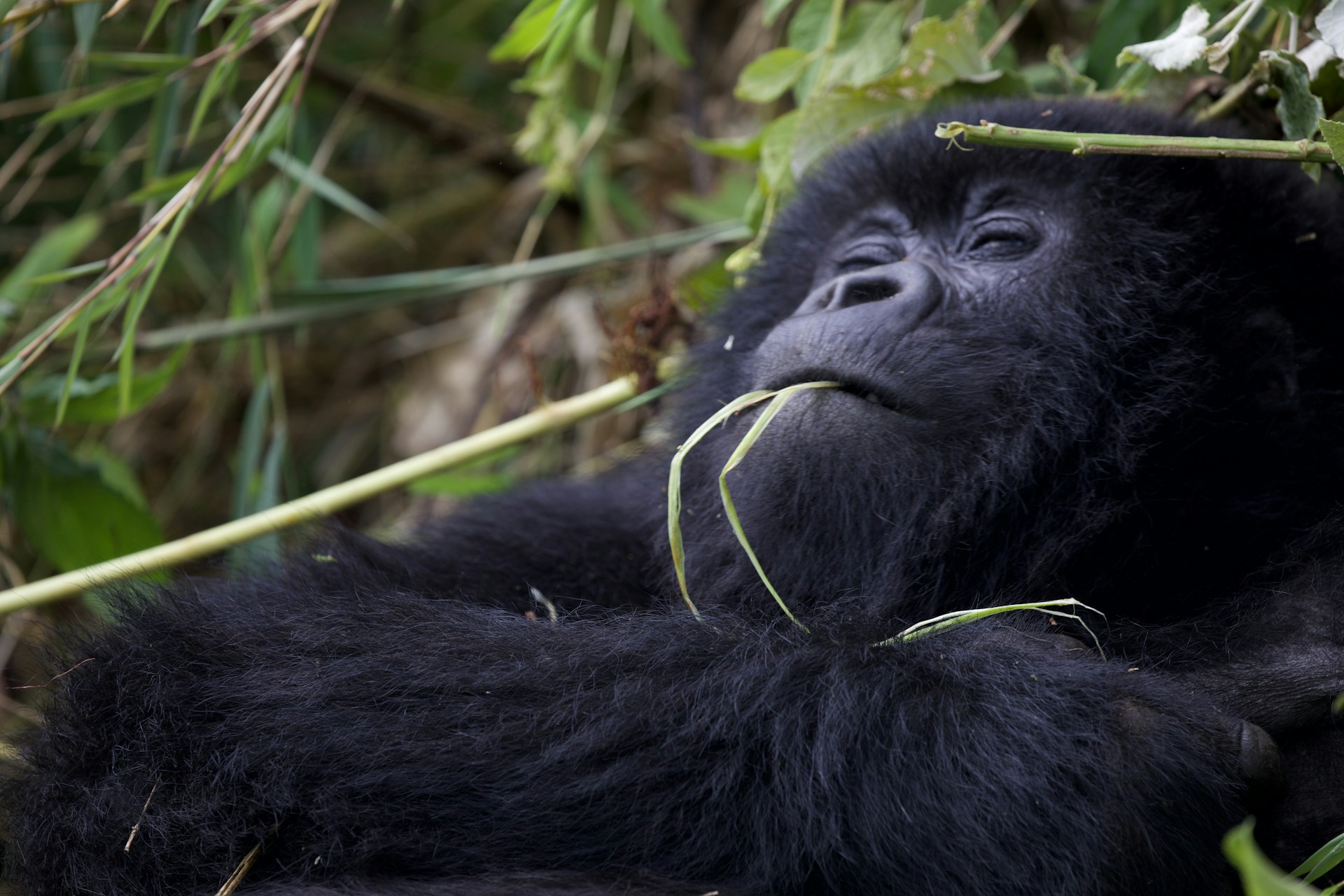
Gorilla trekking in Rwanda ranks among the most powerful wildlife experiences on the planet, yet many travellers feel unsure how to plan it. You leave the comfort of your lodge at dawn, hike through misty highland forest in Volcanoes National Park, and spend a full hour with a habituated family of mountain gorillas in their natural habitat.
Choosing the best time to visit Rwanda for gorilla trekking can feel overwhelming when every operator claims their window is ideal. The real truth: mountain gorillas in Volcanoes National Park can be tracked every day of the year, but trail conditions, crowd levels, and comfort shift with the seasons.
This guide cuts through the noise with clear, current information so you can match the month to your fitness, budget, and travel style.
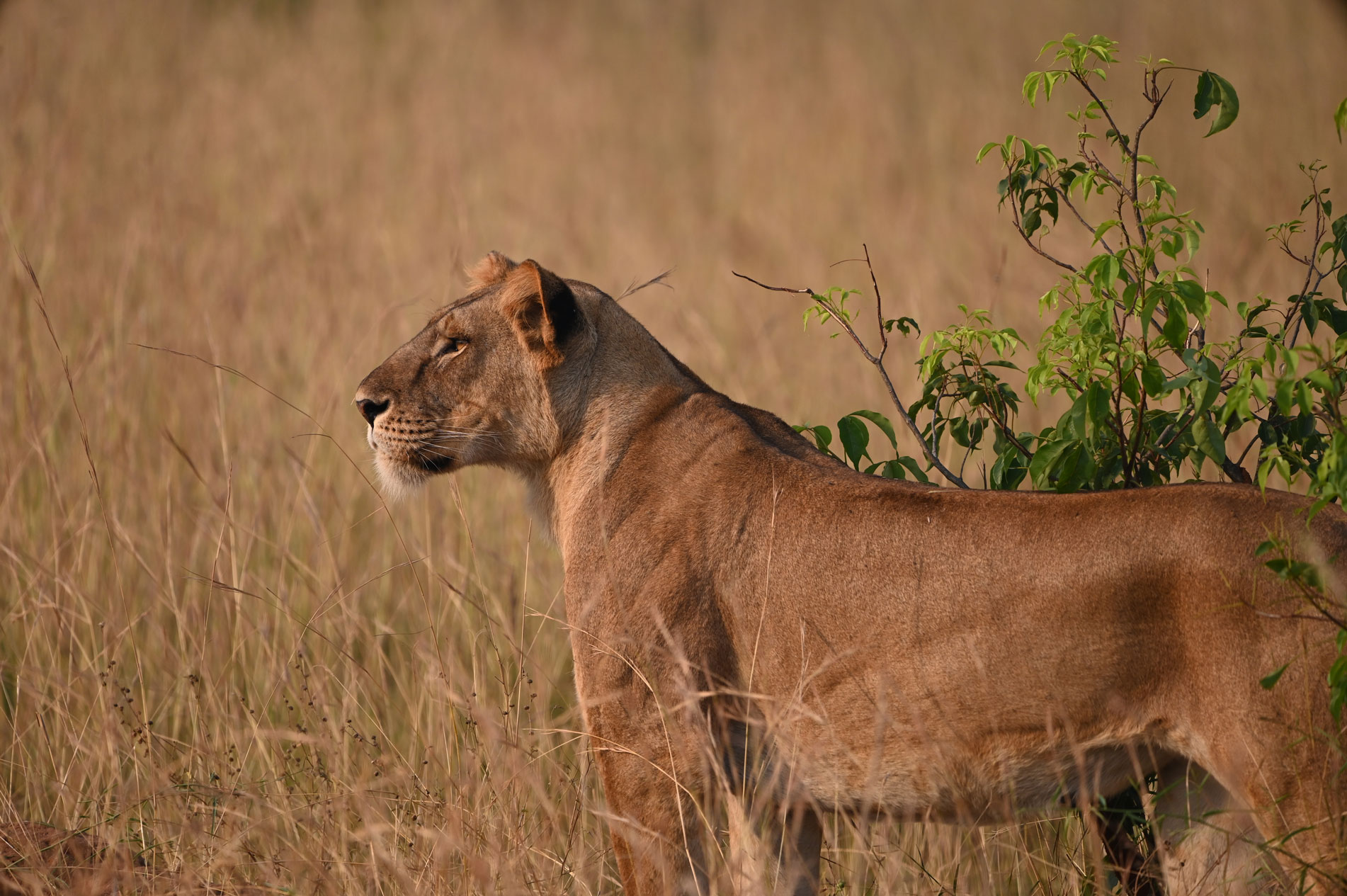
Rwanda’s compact size and excellent infrastructure make it easy to pair a gorilla trek with other East African highlights. Many travellers spend a few nights among the Virungas then continue to the Maasai Mara or Amboseli in Kenya for open savannah, big cats and the big five.
Gorilla Trekking in Rwanda and Why Gorilla Conservation Is Important
Mountain gorillas (Gorilla beringei beringei) survive in only two places on Earth: the Virunga Massif shared by Rwanda, Uganda and the Democratic Republic of Congo, and Bwindi Impenetrable Forest in Uganda. Rwanda’s share lives inside Volcanoes National Park, a compact highland park of misty volcanoes, bamboo, and dense rainforest.
Around 12 families are fully habituated for tourism. Each day a maximum of eight visitors may spend one hour with any single family, creating a hard daily limit of 96 permits. This carefully controlled system is one reason Rwanda delivers the most reliable gorilla trekking encounters.
Rwanda’s conservation story is remarkable. In the early 1980s, mountain gorillas numbered fewer than 250 worldwide. Today the global population stands at approximately 1,063, with around 604 in the Virunga Massif that includes Rwanda’s Volcanoes National Park. Thanks to daily monitoring by the Dian Fossey Gorilla Fund, the Rwanda Development Board and the Greater Virunga Transboundary Collaboration, together with strict visitor limits, the decline has been reversed. A large share of every USD 1,500 permit fee goes straight back into anti-poaching, veterinary care, ranger salaries and community projects.
About Volcanoes National Park
All gorilla trekking in Rwanda happens inside Volcanoes National Park, a 2-to-3-hour drive northwest of Kigali. The park protects five of the eight Virunga volcanoes and ranges from about 2,400 m to over 4,500 m in altitude.
Volcanoes is home to around 12 fully habituated gorilla families open for tourism. Each day, a maximum of eight visitors may spend one hour with any single family. Treks start very early at 7 am, with a briefing and assigning of gorilla groups at the Park Headquarters in Kinigi. Groups are assigned according to fitness and that morning’s tracking reports. Trackers have already located the families since before dawn and radio their position.
The hike can take anywhere from under an hour to 4 or 5 hours, depending on where the gorillas are feeding. Trails are steep, uneven, and often muddy even in the dry season. Once you reach the family, you have a strictly timed one hour at a respectful distance. Porters are available and strongly recommended — they lighten the load and support local livelihoods.
When Is the Best Time for Gorilla Trekking in Rwanda?
The most comfortable conditions for trekking fall in the two dry seasons, June to September and December to February, when trails are firmer, less slippery, and visibility is generally clearer. Trekking remains excellent year-round, however. Many travellers deliberately choose the wetter months for fewer crowds, potentially shorter hikes, and lower accommodation rates while still enjoying near-certain sightings.
Understanding Rwanda’s Safari Seasons
Rwanda sits near the equator at high altitude, so temperatures stay mild year-round (roughly 10 – 25°C in the park). Rainfall creates two dry periods and two wetter ones.
The dry season
June – September is the long dry season and classic peak for gorilla trekking in Rwanda. December – February is the shorter dry window. Trails firm up, undergrowth thins slightly, and light improves for photography. Expect a high demand for permits and lodges, especially in July and August.
Wet seasons
March – May brings the long rains, while October – November brings the shorter rains. Trails turn muddier and steeper sections more challenging. The forest becomes vivid green and birdlife more active. Gorillas often feed lower down, which can shorten the hike. Visitor numbers drop, and lodges usually offer better rates. Showers are often intense but brief, and rangers still locate every family each morning.
Nonetheless, sighting success in Volcanoes stays extremely high (95 – 99%) in every season thanks to daily tracking. The season mainly changes how hard you work and how many other people you share the experience with.
Month-by-Month / Seasonal Breakdown
December – February (Short Dry Season)
This period features firm trails, cool misty mornings, and mild rainy days. Moderate visitor numbers and strong light for photography. It’s one of the best overall windows to trek gorillas in Rwanda, especially February, which often offers an excellent balance of weather and fewer crowds than the main peak. Pack layers, waterproof boots and a light rain jacket.
March – May (Long Rains)
Trails soften and become muddy, with April usually the wettest month. Crowds drop sharply, and the forest turns lush and green. Gorillas often feed lower on the slopes, which can shorten the hikes to see them. It’s ideal if you prioritise solitude and low rates over dry trails. Full rain gear, gaiters and sturdy waterproof boots are essential.
June – September (Long Dry Season)
This is the classic peak period for gorilla trekking in Rwanda. Trails firm up quickly, visibility improves, and hiking is most comfortable, with clearer views and excellent conditions overall. However, this period also sees the highest demand of the year, especially July and August. Book permits and lodges 6 to 12 months ahead. The Kwita Izina (baby gorilla naming ceremony) takes place on 4 September 2026, adding a cultural highlight in early September.
October – November (Short Rains)
By October, the short rains return. Trails grow wetter again, crowds thin, and the forest becomes greener. This period also offers lower rates compared to peak season and quieter experiences. Expect variable conditions and occasional heavy showers. Proper rain gear is still needed, but many travellers find this a worthwhile trade-off for fewer people.
Practical Considerations for Choosing the Right Time for Your Gorilla Trek
Match the season to your priorities rather than chasing one perfect month.
• Want the easiest hiking and clearer photographs? Choose June – September or December – February.
• Prefer fewer people, potentially shorter hikes and better lodge rates? The wetter months often deliver a more intimate experience.
• Combining the trek with a Kenya or Tanzania safari works especially well in July–September when the wildebeest migration peaks.
• Fitness matters more than the calendar. The trails in the park are steep and uneven even on dry days.
• Local porters are available to help you carry your luggage at around $20 per person. These make a real difference and help support local communities.
• The minimum age for trekking mountain gorillas in Rwanda is 15 years.
• Book early for peak dry months. Wet-season permits are usually easier to secure closer to travel dates, though popular lodges still fill.
Rwanda Permit Prices & Booking
The standard permit price for gorilla trekking in Rwanda is $1,500 per person for foreign non-residents, set by the Rwanda Development Board (RDB). It covers the one-hour visit, park entry, and ranger guide.
East African Community citizens and Rwandans pay substantially less, around $200, while foreign residents and other African residents pay $500. A multi-park discount is sometimes available when the trek is combined with stays in Akagera and Nyungwe—confirm current terms with a licensed operator.
Only 96 permits are issued each day. They are non-refundable and sell out months ahead during the peak season. Always book through a reputable Rwandan tour operator who holds an official allocation. Independent last-minute purchases are rarely possible for popular dates.
Packing List for a Gorilla Trekking Safari in Rwanda
• Broken-in waterproof hiking boots with strong grip
• Long trousers and long-sleeved shirt in neutral colours
• Waterproof rain jacket and over-trousers
• A pair of gardening gloves for gripping vegetation
• Gaiters (especially useful in wet months)
• Daypack, water bottle or hydration bladder, energy snacks
• Insect repellent, sunscreen and a hat
• Light fleece or layers for cool early mornings
• A good camera with spare batteries (flash not allowed)
• A trekking pole (usually offered at the park headquarters
FAQs
What is the single best month for gorilla trekking in Rwanda?
July and August usually offer the most reliable dry conditions, but February and September often provide excellent weather with slightly fewer crowds.
Is gorilla trekking possible during the rainy season?
Yes. Sightings remain excellent. Expect muddier trails and the possibility of shorter hikes when groups feed lower on the slopes.
How far in advance should I book a Rwanda gorilla permit?
6 to 12 months for June – September; three to six months for December – February; one to three months is often sufficient in the wetter periods, though early booking is always safer for preferred lodges.
Does the season change how the gorillas behave?
Sighting success stays consistently high. In wetter months, the families frequently range at lower elevations, which can reduce hiking time.
Is April really the worst month?
It is typically the wettest and most physically demanding. Travellers who accept mud and prioritise solitude still report outstanding encounters.
How many gorilla families are available for tourism?
Approximately 12 habituated families are open to visitors, with a daily maximum of eight people per family.
Can I easily combine gorilla trekking with a Kenya safari?
Yes. Many itineraries pair two or three nights in Volcanoes National Park with time in the Maasai Mara or Amboseli. Kigali serves as a convenient hub for the connection.
Plan your journey with a local expert
Speak with the Whitan team about your plans and get personal advice for your trip.