Before you book
Fees, permit policies, age requirements and seasonal conditions can change. Confirm current details with Whitan Safaris before paying or finalising travel plans.
Introduction
First-time visitors to the Masai Mara often arrive with one expectation: watching thousands of wildebeest plunge into the Mara River. Many book August because every brochure calls it "peak season" — only to find 100+ vehicles jostling for position at the popular crossing points, or worse, discover the main herds are still south of the border.
The Masai Mara migration calendar isn't a fixed schedule. It's a rainfall-driven window that can shift by days or weeks each year. Kenya remains one of Africa's strongest year-round safari destinations, and the Mara delivers outstanding resident wildlife even outside the Great Migration months. This guide gives first-time visitors a clear, practical 2026/27 decision framework — so you choose the right month for what you actually want to see, instead of gambling.
Direct Answer
What is the Masai Mara migration calendar?
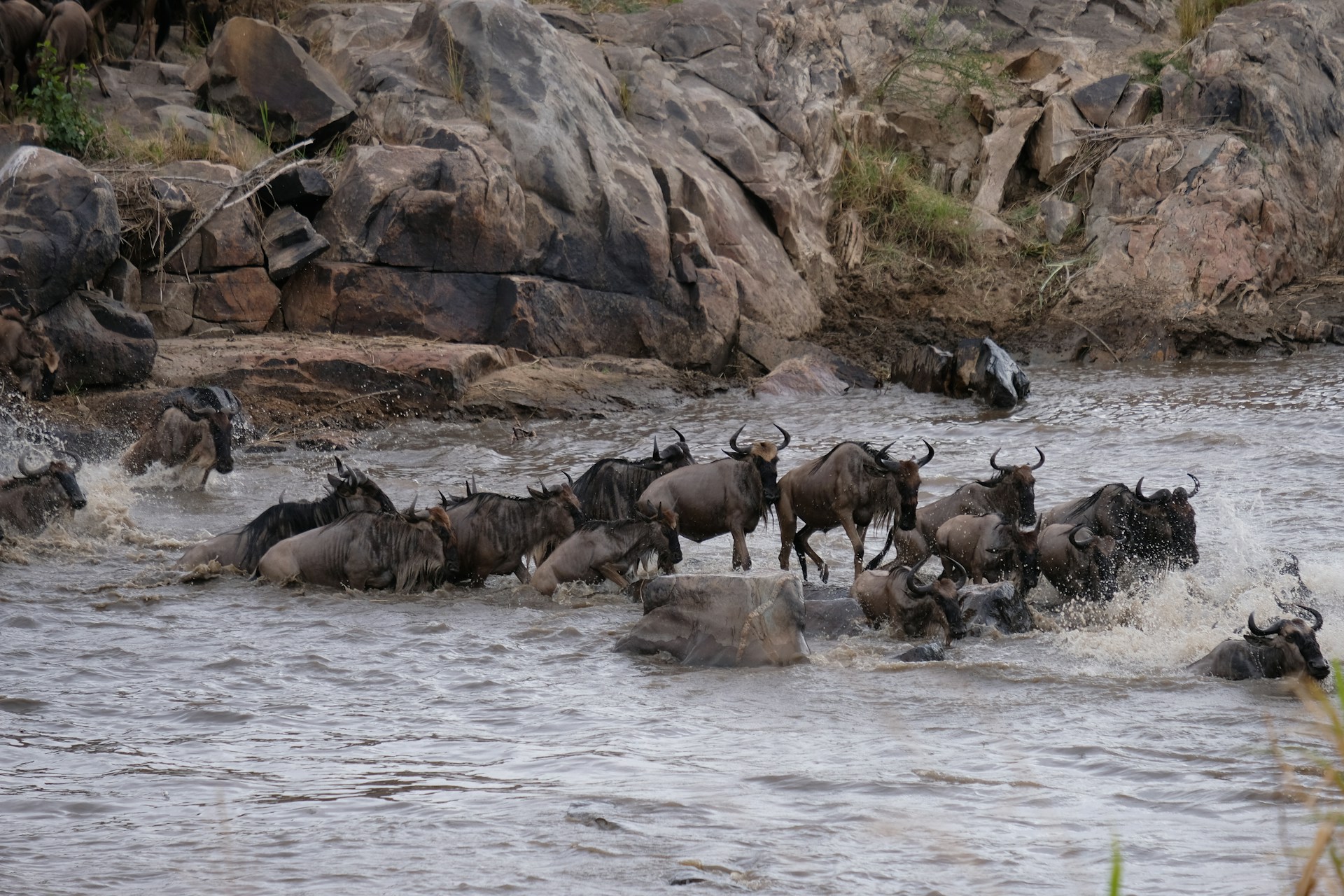
The Masai Mara migration calendar places the main herds of roughly 1.5 million wildebeest (plus zebras and gazelles) in Kenya typically from late June or July through October. Peak probability for the dramatic Mara River crossings falls in August and September. Timing depends on rainfall and grass; no specific day is guaranteed. Plan a minimum of four nights near the river for realistic chances.
What the Great Migration Calendar Actually Is
The Great Wildebeest Migration is a continuous, clockwise movement of approximately 1.5 million wildebeest, hundreds of thousands of zebras, and Thomson’s gazelles following seasonal rainfall and fresh grass across the Serengeti-Mara ecosystem.
In the Masai Mara, the calendar covers about a third to a quarter of the year, generally late June/July through October, with stragglers into November. The herds push north from Tanzania, cross the Sand River (the Kenya-Tanzania border), then the Mara River, graze the plains, and gradually return south with the short rains. The famous river crossings and concentrated predator activity occur during this Kenyan window.
For the other eight months, the herds are on the Tanzanian side: calving in the southern Serengeti (January – March), then drifting north through the Western Corridor (April – June). A "masai mara migration calendar" specifically describes this Kenya-side window, not the full 12-month loop – a distinction several competing guides blur.
Why First-Timers Need to Know This
• Crossings are never guaranteed on any single day; staying fewer than four nights sharply reduces your odds.
• August offers the highest statistical concentration of herds in the Mara but also the highest vehicle numbers.
• Late June and early July often deliver quieter Sand River arrivals before the main crowds show up.
• September frequently offers strong crossing activity with noticeably fewer vehicles than August.
• Non-resident Park entry jumps from USD 100 to USD 200 per adult per day between June and July 2026: budgeting for the season you travel in matters.
• Choosing the wrong location (far from the river), or an inexperienced guide, can mean missing the action even when herds are nearby.
• Knowing the difference between a Sand River crossing and a Mara River crossing prevents disappointment for first-timers expecting only the dramatic plunges seen in documentaries.
Great Migration Calendar in Masai Mara: A Month-by-Month Guide
Late June – First Arrivals
The first scouts and smaller groups often begin entering Kenya via the shallow Sand River on the Tanzania border. Drama is limited; the water is usually not deep enough for classic plunges or heavy crocodile activity, but the experience is intimate, with very low vehicle numbers and lower lodge rates in many cases. Ideal for first-timers who prioritise quiet observation and photography without crowds.
July – Main Herds Arrive
The main herds build and push further into the Masai Mara. Early Mara River crossings become possible, often starting mid-to-late month. Tension is high as animals gather on the banks. Crowds increase but remain lower than August. This is a strong month for photographers seeking cleaner views and the excitement of potential first major crossings of the season.
August – Peak Crossing Month
August is statistically the month with the highest herd density and most frequent Mara River crossings. Many classic documentary scenes are most likely here. However, expect the largest numbers of vehicles at popular points (often 60 – 100+ on busy days). Choose August only if pure spectacle outweighs the reality of shared viewing space.
September – Strong Activity, Fewer Crowds
Crossings remain frequent. Back-crossings (herds moving in both directions as local rains shift grazing) become more common. Vehicle numbers often drop 25 – 30 % compared with August while predator activity stays high. Many experienced guides and repeat visitors prefer September for the better balance of action and access.
October – Heading back South
Herds begin their gradual return south. Late or return crossings still occur, sometimes dramatically. Crowds thin and some lodge rates soften while park fees remain at the peak rate. A practical choice for flexible first-timers seeking value and still-good wildlife density.
Mara River Crossings: Top 5 River Crossing Points
River crossings don't happen at one spot; they happen along specific stretches of river that guides track closely. These five come up most consistently across guide reports and camp locations:
• Lookout Hill (Mara Triangle) – an elevated platform overlooking several crossing points at once, managed by the Mara Conservancy. The steep banks make for dramatic crossings, and there are usually fewer vehicles here than in the main reserve.
• Paradise Plains – an open grassland stretch along the river, popular with photographers and documentary crews for its wide sightlines and large concentrations of herds.
• Purungat Bridge area – located in the central reserve, with lower, gentler banks. Crossings here happen more reliably, even if they're less dramatic to watch than the steep-bank sites.
• Talek River confluence (near Musiara) – where the Talek River meets the Mara River. It’s a narrower channel that forces herds to bunch up before crossing, often producing the most chaotic, high-drama scenes, with heavy crocodile activity.
• Sand River – a shallower border crossing where the earliest arrivals typically cross in late June and July. Smaller in scale, but a reliable early-season sighting.
Tip for first-timers: No crossing point is guaranteed to produce a crossing on any given day. Your guides communicate by radio between vehicles and camps to reposition quickly once a herd starts gathering.
Where to Stay During the Great Migration in Masai Mara
Camp location during the Great Migration matters more than star rating. In Masai Mara, camps cluster around two main zones near the river:
• The Musiara / Talek confluence area – sits on the reserve's northern side, close to Paradise Plains and the Talek River crossing point.
• The Mara Triangle – located on the western side near Lookout Hill and Purungat Bridge, is managed separately by the Mara Conservancy and tends to have fewer vehicles per sighting.
Beyond the main reserve, the Mara’s private conservancies (Mara North, Naboisho, Olare Motorogi, and Ol Kinyei, to name a few border the reserve and offer a genuinely different experience: fewer vehicles at a crossing, permitted off-road driving, and night game drives, none of which are allowed inside the main reserve. The trade-off is a slightly longer drive to reach the river crossings themselves, though several conservancy camps still sit within striking distance.
Practical Tip: during peak season (July – September), aim for a camp within roughly a 15 – 20-minute drive of a crossing cluster. A stunning lodge 45 minutes away can mean missing action that starts and finishes in under ten minutes.
Important Tips First-Time Masai Mara Visitors Should Know
• Book 6 – 12 months ahead for July–September travel. Camps closest to crossing points fill up first, especially those directly on the Musiara or Mara Triangle clusters.
• Plan for at least 3 – 4 nights during peak season. Crossings are unpredictable enough that a one- or two-night stay is a genuine gamble.
• Pick your camp by proximity to a crossing zone, not by amenities alone. This is the single biggest factor separating visitors who see multiple crossings from those who see none.
• Don't assume every "migration calendar" article means the Masai Mara specifically. The largest part of the season happens in Tanzania’s Serengeti.
• Build in flexibility. A good guide will reroute your game drive based on real-time radio reports rather than a fixed itinerary, so don't over-schedule your days.
• Consider a private conservancy if crowds bother you. You'll trade a short drive to the river for far fewer vehicles at every sighting.
• Pack for temperature swings. Mornings and evenings in Masai Mara are cool even in the dry season; layers matter more than most packing lists suggest.
• Bring a buff or face covering; dust from multiple vehicles can be intense during peak weeks.
Frequently Asked Questions (FAQs)
How much does a Masai Mara safari cost in 2026/27?
Budget: $250–350 per person per day. Mid-range: $350–600. Luxury: $700–1,500+. These usually cover lodging, meals and game drives but exclude park fees, international flights and balloon safaris. Peak months (July–October) cost more.
How much is the Masai Mara entrance fee in 2026?
Non-resident adults: USD 100 per day (Jan – Jun) and USD 200 per day (Jul – Dec). Children 9 – 17: USD 50 year-round. Children under 8 enter for free. Tickets are valid for 12 hours (06:00 – 18:00).
How do I get from Nairobi to the Masai Mara?
By road: 5 – 6 hours depending on conditions and destination. By air: about 45 minutes on scheduled flights from Wilson Airport to several airstrips inside or near the reserve.
How many nights should a first-timer spend in the Masai Mara?
Minimum four nights for migration-focused trips. Three nights is possible but tight. Five or more improves flexibility and your realistic chance of seeing a crossing.
When is the best month for first-timers to see the Great Migration in 2026/27?
August offers the highest chance of dense herds and crossings, but is also the busiest. September offers strong action with fewer crowds. Late June – July offers the quieter Sand River crossings.
Are Mara River crossings guaranteed?
No. They depend on rainfall, river levels and herd behaviour. Staying multiple nights near the river with a good guide improves the odds but never guarantees a crossing.
Is a hot-air balloon safari worth it during migration season?
Most first-timers say yes. The sunrise aerial view of the herds is unique. Expect to pay $450 – 600 per person as an optional add-on.
Is the Mara Triangle better than the main reserve for first-timers?
Often yes. It offers lower vehicle density and solid access to crossing points while still delivering classic wildlife and landscapes. The main reserve has more camps but higher traffic.
Is the Masai Mara safe for first-time and solo travellers?
Yes. It is one of Africa’s most established safari destinations. Travel with a licensed operator and follow your guide’s instructions.
Can I see the Big Five during migration season?
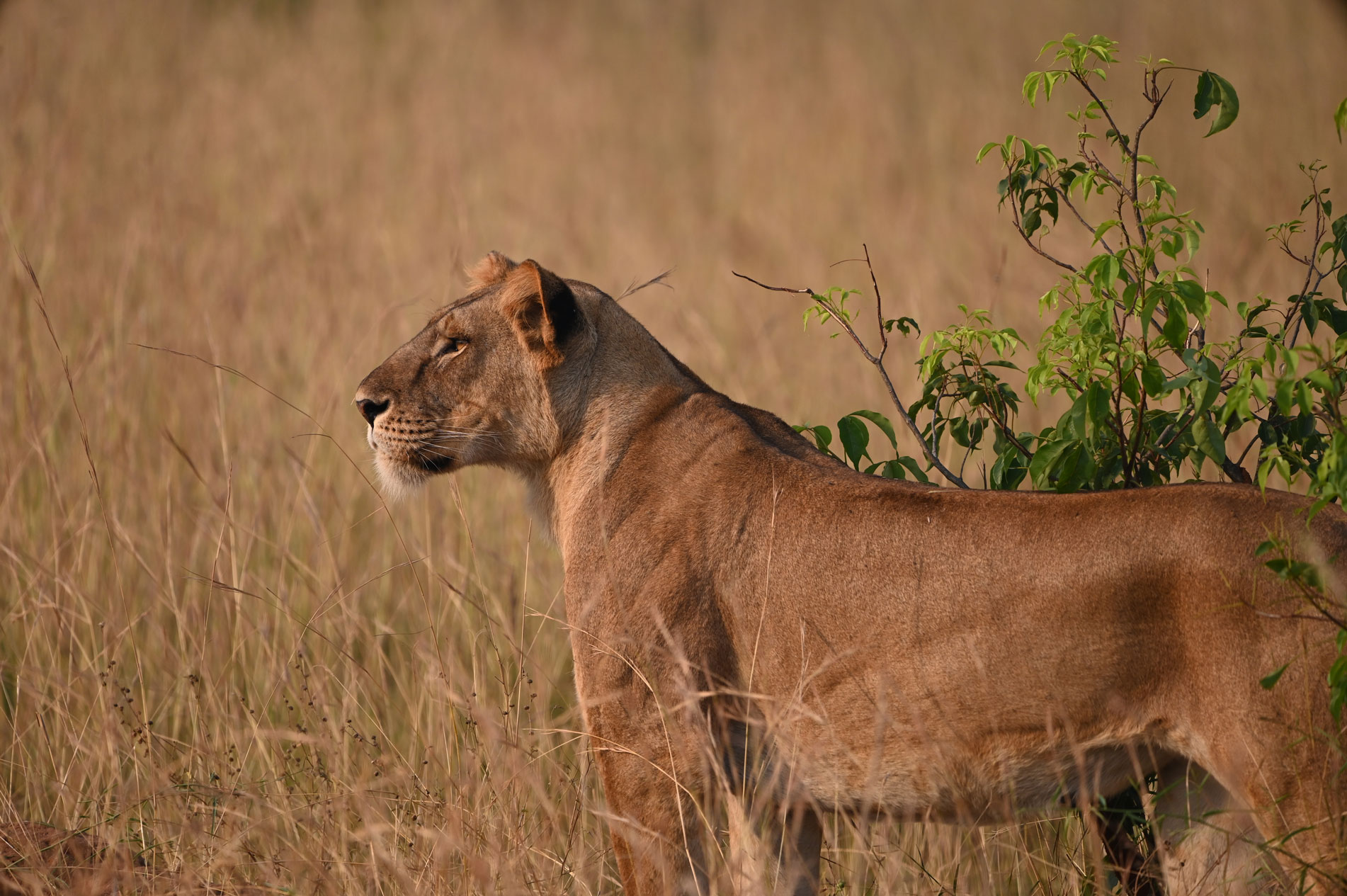
Yes. Resident lions, leopards, elephants and buffalo are present year-round, plus a smaller rhino population. Sightings are not limited to crossing days.
What is the difference between Sand River and Mara River crossings?
Sand River is shallower, offers the earliest crossings, and is less dramatic. Mara River crossings are deeper, more theatrical, and the classic spectacle most visitors expect.
When should first-timers avoid visiting the Masai Mara for the migration?
April – May (long rains) and November (short rains). Roads are softer, and the main herds are usually still in Tanzania, so crossing chances drop.
Conclusion
For a first-timer, this really comes down to three decisions: pick a month based on what you actually want to see (August for the best crossing odds, September for similar odds with fewer people, October if value matters most), then choose a camp close to a crossing point instead of just picking the nicest-looking lodge, and book early enough.
The rains will still dictate the exact movement of the herds, so prepare for that reality; select a knowledgeable operator, and Mara will deliver one of the most memorable wildlife experiences on the planet.
Plan your journey with a local expert
Speak with the Whitan team about your plans and get personal advice for your trip.