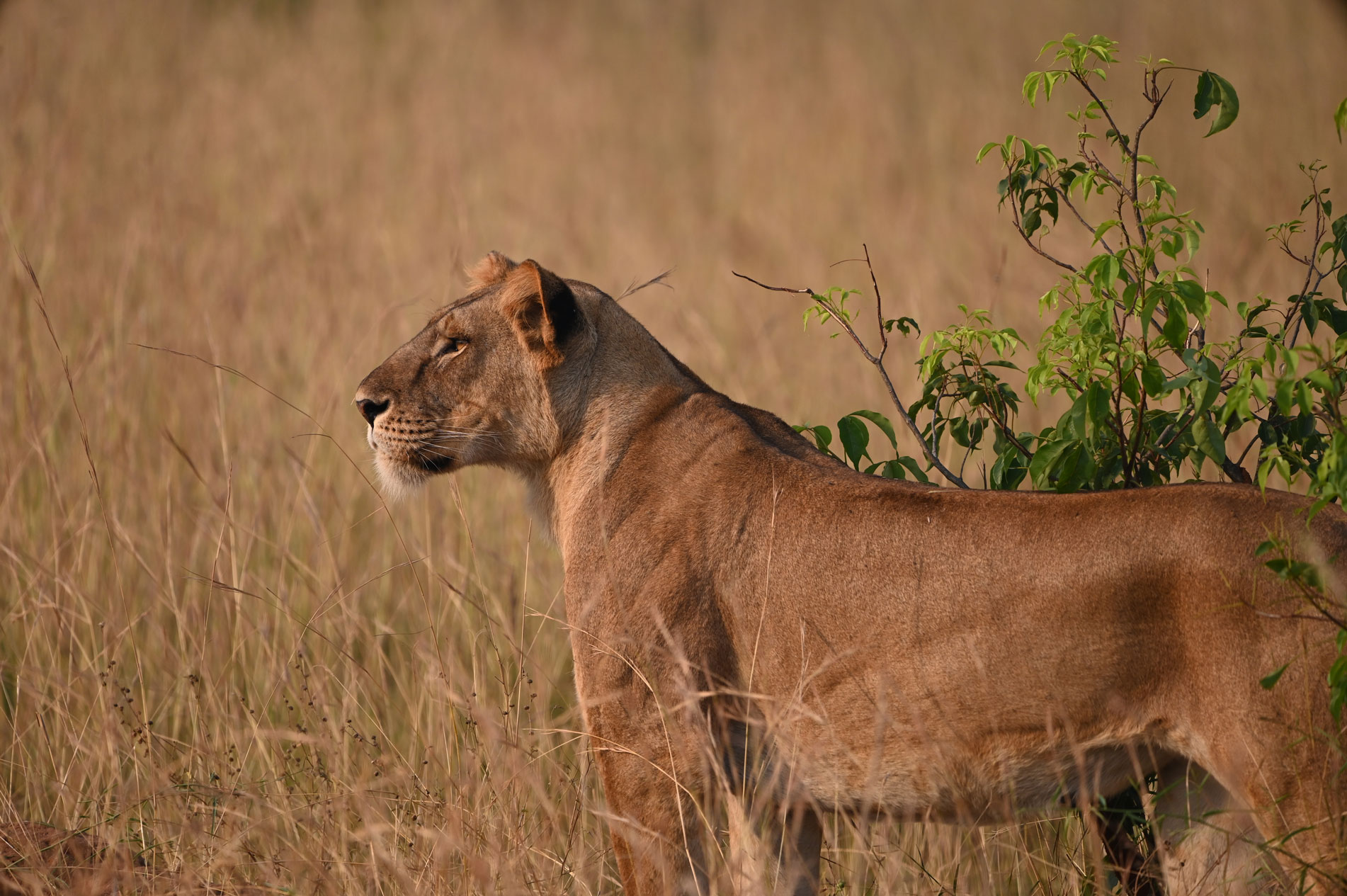

Kenya is one of Africa's premier travel destinations, combining world-class wildlife, strong cultural experiences, and a beautiful Indian Ocean coast. The country is built around three main travel pillars: safaris, cultural immersion, and beach holidays, and you can easily combine all three in one trip.
Kenya is best known for the Maasai Mara and the Great Migration, but it also offers diverse safari regions like Amboseli, home to large elephant herds with Kilimanjaro views, the Samburu and its rare northern species, and Laikipia, home to wildlife-rich private conservancies. Moreover, cultural experiences are equally strong, with vibrant communities such as the Maasai and Swahili coastal towns like Mombasa, Diani, Watamu, and Malindi.
Travel in Kenya is practical and well-supported: Nairobi and Mombasa are the country's major hubs, with developed logistics that connect to key destinations, and a mature tourism infrastructure. Dubbed the birthplace of safaris, Kenya delivers a complete African safari experience in one country.
Facts About Kenya
Location and Geography
Kenya is located in East Africa, bordered by South Sudan and Ethiopia to the north, Somalia to the east, Tanzania to the south, and Uganda to the west. To the southeast, it has a coastline along the Indian Ocean, stretching over 500 kilometers, and this strategic position is what makes Kenya a central hub for East African travel and a natural gateway for regional travel and tourism.
Kenya's geography is diverse and striking, making it one of East Africa's most visually varied destinations. Along the Indian Ocean coast, the country features coastal plains with white-sand beaches, coral reefs, and historic Swahili towns. Inland, the central highlands, where Nairobi and the Rift Valley sit, offer cooler temperatures and fertile land, while the Great Rift Valley runs north to south through the country, creating iconic landscapes and lakes such as Nakuru and Naivasha.
In the south and southwest, savannah plains support Kenya's major wildlife areas, while northern Kenya becomes semi-arid and arid, with unique wildlife and pastoral cultures in places like Samburu. Kenya's highest point is Mount Kenya, a volcanic mountain rising to 5,199 meters (17,057 feet), and the second-highest peak in Africa after Kilimanjaro. The country also contains several major lakes, including part of Lake Victoria, Lake Turkana, and the Rift Valley lakes, which are important for birdlife and ecosystems.
History, Population, and Culture
Kenya's history is shaped by centuries of trade, migration, and colonial influence. The country's coastal towns, such as Mombasa, were part of the Indian Ocean trading network long before European arrival, which helped form the distinctive Swahili culture along the coast. In the late 19th century, Kenya became part of British East Africa, and the construction of the Uganda Railway played a major role in Nairobi's growth. Kenya gained independence in 1963 and became a republic in 1964 with Nairobi as the capital.
Today, Kenya has an estimated population of around 58 million people as of 2024 and is home to over 40 ethnic groups, including the Kikuyu, Luhya, Luo, Kalenjin, Kamba, Somali, Maasai, and Turkana. The country's dialects also reflect this diversity, with Swahili and English as official languages and numerous local languages spoken across various regions.
Moreover, Kenya's cultural heritage is not confined to museums or staged performances, but is part of everyday life. Travelers encounter it in bustling local markets, traditional music, dance, folklore, and handcrafted beadwork and woodcarvings. Pastoralist communities such as the Maasai and Samburu are especially distinctive, known for their colorful dress, intricate beadwork, and strong cultural identity. Along the coast, Swahili towns preserve centuries-old traditions through coral-stone architecture, spiced cuisine, and dhow sailing on the Indian Ocean, offering visitors a cultural experience that feels lived-in rather than observed.
Kenya is a republic with Nairobi as its capital and main gateway. The country is divided into 47 counties, each with its own unique identity and tourism attractions. This decentralized structure allows travelers to experience varied cultures, landscapes, and experiences within one country.
How to Get to Kenya
Kenya is one of Africa's easiest destinations to reach, with excellent air links and well-established overland routes that support both international and regional travel.
By Air
Most international travelers arrive through Jomo Kenyatta International Airport (NBO) in Nairobi, the main entry point and a major aviation hub for East Africa. The airport is served by numerous international airlines offering direct or one-stop connections from Europe, the Middle East, Asia, and North America, as well as frequent regional flights from across Africa.
For travelers heading straight to the coast, Moi International Airport (MBA) in Mombasa provides convenient access to Kenya's beach destinations and receives international and regional flights, particularly from Europe and the Middle East.
Moreso, Kenya has a strong domestic flight network, with daily scheduled and charter flights linking Nairobi's Wilson Airport to key safari destinations such as the Maasai Mara, Amboseli, Samburu, Tsavo, and the Indian Ocean coast, allowing travelers to maximize time in the parks and other destinations.
By Road
Kenya can be entered overland from neighboring countries, making it a practical choice for regional East African travel. The country shares borders with Uganda, Tanzania, Ethiopia, South Sudan, and Somalia, and well-developed overland routes are commonly used for multi-country safari circuits. However, overland travel is best arranged with a professional tour operator to ensure smooth border crossings, reliable transport, and efficient routing between destinations.
Top Tourist Attractions in Kenya
1. Nairobi, Capital City
Located in central Kenya, Nairobi is the logistical and cultural heart of Kenya's tourism industry. The city offers a variety of museums, dining, craft markets, and historical sites, as well as attractions such as the David Sheldrick Wildlife Trust and the Giraffe Centre. Nairobi matters because it combines modern Kenya, conservation history, and urban culture, whether it's before or after time in the wilderness.
Just minutes from the city center, Nairobi National Park offers wildlife viewing against a modern skyline – a rarity anywhere in the world. The park supports wildlife, including rhinos, lions, giraffes, and buffalo, making it ideal for short stays, layovers, and first-time visitors. The park's uniqueness lies in its accessibility and efficiency, allowing travelers to experience a safari without leaving the city.
2. Maasai Mara National Reserve
Located in south-western Kenya along the border with Tanzania, the Maasai Mara is the country's most important safari destination and one of Africa's most popular reserves. The reserve's open grassland ecosystem supports one of Africa's highest concentrations of predators, making sightings of lions, cheetahs, and leopards reliable throughout the year. Between July and October, the Mara becomes the stage for the Kenyan portion of the Great Wildebeest Migration, when large herds of wildebeest and zebra cross from the Serengeti. Boasting Big Five sightings (elephant, lion, leopard, buffalo, and rhino), and over 500 recorded bird species, the Mara offers strong wildlife viewing in both peak and shoulder seasons, making it the backbone of most Kenya safari itineraries.
3. Amboseli National Park
Amboseli National Park sits at the foot of Mount Kilimanjaro, just across the border with Tanzania. The park's significance lies in its elephant population – some of the largest and most studied herds in Africa. Moreover, the park's flat, open terrain allows for close encounters with wildlife, making it a must-visit Kenya safari destination. Amboseli's seasonal swamps also attract wildlife year-round, even in dry months. Amboseli is particularly important for travelers focused on photography and for those who want iconic African scenery combined with predictable game sightings in a compact area.
4. Tsavo East and West National Parks
Located in south-eastern Kenya between Nairobi and Mombasa, Tsavo East and Tsavo West form one of Africa's largest protected wildlife areas, offering a true sense of scale and wilderness that few other parks can match. These parks are less about high-density sightings and more about big landscapes, long horizons, and an authentic safari scenery. Tsavo East is known for its open plains, iconic red-dust elephants, and a wide variety of wildlife that moves freely across the vast terrain.
In contrast, Tsavo West is rugged and dramatic, with volcanic hills, lava flows, and natural springs such as Mzima Springs, where hippos and birdlife gather in clear waters. These two parks are ideal for travelers who want a quieter, more remote safari experience and want to combine wildlife with the coast, since the parks sit directly on the route between Nairobi and Mombasa.
5. Lake Nakuru National Park
Situated in Kenya's Great Rift Valley, Lake Nakuru National Park is one of the best-managed and most accessible parks in the country. It is especially important for rhino conservation, hosting one of the country's most significant rhino sanctuaries for both black and white rhinos. And while flamingo numbers fluctuate seasonally, the park remains an Important Birding Area and a reliable stop for travelers seeking a short but rewarding safari experience.
6. Mount Kenya National Park
Mount Kenya, located east of the Rift Valley in central Kenya, is Africa's second-highest mountain and a UNESCO World Heritage Site rising 5,199 meters above sea level. Unlike the country's savannah destinations, Mount Kenya delivers alpine landscapes, misty forests, waterfalls, and high-altitude ecosystems that feel quite different from the rest of the country. Mount Kenya is Kenya's most popular mountain climbing, hiking, and trekking destination, accessible for both technical and non-technical trekking, with day hikes and multi-day routes that require stamina more than climbing skill. For trekkers, Mount Kenya is the best way to add cooler climates, dramatic scenery, and active hiking to a Kenya trip, a natural contrast to the Mara's plains or the coast's beaches.
7. Hell's Gate National Park
Hell's Gate National Park lies in the Great Rift Valley, just south of Lake Naivasha, and stands out as one of Kenya's most distinctive parks. Unlike most national parks, Hell's Gate allows walking safaris and cycling, offering a rare, close-up experience of dramatic gorges, towering cliffs, and geothermal features. Wildlife sightings include giraffes, zebras, buffalo, and antelope, among others. However, the highlight of Hell's Gate is experiential; it breaks the rhythm of vehicle-based game drives and adds physical activity and landscape immersion to any Kenya safari itinerary.
8. The Laikipia Plateau
This marvel lies north of Mount Kenya and represents one of the country's most important conservation regions. Unlike Kenya's national parks, Laikipia is made up largely of private conservancies, allowing activities not permitted elsewhere, such as walking safaris, night game drives, and community-led experiences. The area is a stronghold for endangered species, including black rhinos and Grevy's zebra, and is known for low visitor numbers and high-quality guiding. The Plateau offers tourists flexibility, exclusivity, and a conservation-focused safari experience that complements, rather than duplicates, Kenya's major national parks.
9. Diani Beach
Located south of Mombasa along the Indian Ocean, Diani Beach is Kenya's premier beach destination, known for its long stretch of white sand, warm waters, and coral reefs. The area offers a wide range of accommodations, from luxury resorts to boutique lodges and private villas, making it suitable for both honeymooners and families. Diani offers the perfect post-safari experience in Kenya, boasting a smooth transition from wildlife to relaxation, with activities such as snorkeling, kite surfing, and dhow cruises. Its accessibility by air from Nairobi and proximity to the Tsavo National Parks also make it one of the most practical and convenient beach add-ons in Kenya.
10. Lamu Old Town (Northern Coast, Indian Ocean)
Located on Kenya's northern coast, Lamu Old Town is one of the oldest continuously inhabited Swahili settlements in East Africa and a UNESCO World Heritage Site. Unlike the rest of Kenya's resort-based beach destinations, Lamu offers cultural depth, showcasing narrow streets, coral-stone buildings, traditional dhow sailing, and a slower pace of coastal life. Lamu is ideal for travelers seeking cultural heritage, authenticity, and a quieter coastal experience rooted in history rather than mass tourism.
Top Activities to do in Kenya
Game Drives in the Maasai Mara and Amboseli
Game drives are the backbone of Kenya safari travel. In the Maasai Mara, drives focus on predator action, river crossings (during migration), and high concentrations of big cats. In Amboseli, the flat plains and seasonal swamps create ideal conditions for close-up elephant sightings and classic African landscape photography with Mount Kilimanjaro as a backdrop. These two parks are the most reliable for first-time safari travelers and those seeking consistent sightings. Other parks include Tsavo East and West, Samburu National Reserve, etc.
Witness the Great Migration (July – October)
The Great Migration is Kenya's single most iconic wildlife event, when over a million wildebeest and zebra move into the Mara from Tanzania's Serengeti. The highlight of the migration is the Mara River crossings, where the herds have to cross the crocodile-filled Mara River with predators like lions and leopards lurking by the riverbanks in waiting. The Great Migration in Kenya is a defining safari experience and the main reason many travelers choose the country over other destinations.
Hot Air Balloon Safari over the Maasai Mara
A hot air balloon ride at sunrise is not just a luxury, it's one of the most efficient ways to experience the Mara's vast landscape and wildlife patterns from above. This activity is especially valuable for photographers and travelers seeking a memorable “once-in-a-lifetime” moment. Led by experienced pilot guides, balloon safaris in the Masai Mara typically end with a champagne breakfast, adding a premium finish to a full safari day.
Cultural Visits to Maasai, Samburu, and Swahili Communities
Kenya's cultural diversity is as strong as its wildlife. The Maasai and Samburu communities are the most popular among tourists, offering insight into pastoralist life, traditional beadwork, and community-led conservation.
Along the coast, Swahili towns like Lamu and Mombasa showcase centuries-old architecture, dhow sailing, and rich coastal cuisine. These cultural visits give context to Kenya's history and make the trip more meaningful.
Hiking and Trekking on Mount Kenya
Mount Kenya offers a completely different type of Kenya adventure from a safari. Trekkers can summit the Batian peak (5,199 meters) via various trekking routes such as Sirimon, Naro Moru, and Chogoria, passing through bamboo forests, alpine moorlands, and glacial valleys. Mount Kenya is accessible for non-technical trekkers and offers spectacular scenery without the large crowds like on Mount Kilimanjaro.
Walking and Cycling in Hell's Gate National Park
Hell's Gate National Park is one of the few places in Kenya where you can walk or cycle among wildlife. The park's dramatic gorges, cliffs, and geothermal activity provide a hands-on experience that feels more like an adventure than a safari. It's an ideal day trip from Nairobi or Naivasha, especially for active travelers and families.
Beach Activities and Water Sports on the Kenyan Coast
Kenya's coast offers a variety of water activities: snorkeling and diving along coral reefs, kite surfing in Diani, and deep-sea fishing off Mombasa. Diani Beach is the most popular base for water sports due to its infrastructure and accessibility, while Lamu offers a quieter, cultural coastal experience. The coast is the best way to end a safari — a clean transition from wildlife to relaxation.
Birdwatching in Kenya's Rift Valley Lakes and Forests
Kenya is a world-class birding destination with over 1,100 bird species. The country's Rift Valley lakes, such as Nakuru, Naivasha, and Bogoria, are the most popular birding destinations, known for flamingo populations, waterbirds, and migratory species. Moreover, the country's forested regions, such as Kakamega and Mount Kenya, offer rare highland and forest birds.
Best Time to Visit Kenya
Kenya is a year-round destination, but the best time to visit Kenya depends on your priorities. For most travelers, the ideal window is from June to October, when the dry season delivers reliable wildlife viewing, clear roads, and the peak of the Great Migration in the Maasai Mara. If you're planning a beach extension, December to March is the best time for warm weather, calm seas, and excellent snorkeling along the Kenyan coast in Diani, Mombasa, and Lamu.
For birding enthusiasts, March to May offers lush landscapes and strong migratory activity, though some roads may be wetter and less accessible. And if you prefer lower prices and fewer crowds, November is a quieter shoulder season that still provides good safari conditions and more affordable accommodation options.
Overall, Kenya can be visited at any time of the year, but choosing the right season helps you get the most from your safari, wildlife viewing, and coastal experiences.